What Is the Best Beauty Organizer for Different Needs?

Time:2026-09-12 Author:Oliver
0%

Choosing a beauty organizer is not simply a matter of buying the largest box. Your routine, space, product shapes, and cleaning habits should guide the decision. A daily makeup user may need clear acrylic drawers for quick visibility. A skincare collector may need deeper compartments, spill-resistant trays, and room for pump bottles. Hair tools require heat-safe storage and proper ventilation. Small details matter.

The beauty market continues to expand. McKinsey’s The Beauty Market in 2023 report projected global beauty sales could reach about $580 billion by 2027. This growth reflects wider product choices, from compact palettes to oversized skincare containers. Circana’s 2023 U.S. beauty retail reporting also showed continued sales growth across prestige and mass categories. More products create more storage problems. They also create more reasons to compare organizers carefully.

The practical question is how to choose beauty organizers for different needs without wasting space or money. Start by measuring the drawer, shelf, or countertop. Then group products by daily use, size, and sensitivity to heat or moisture. A rotating tray may suit frequently used bottles, while divided bins can protect brushes from tangled bristles. I have found that transparent storage makes forgotten products easier to notice. Yet, too many compartments can slow down a rushed morning. Neatness is not always efficiency.

Consider removable inserts, washable materials, stable bases, and rounded corners. Check whether the organizer fits your actual collection, not an idealized one. Reviews and manufacturer specifications offer useful evidence, but neither replaces careful measurement. The best solution may look less attractive and work better. That is worth remembering.
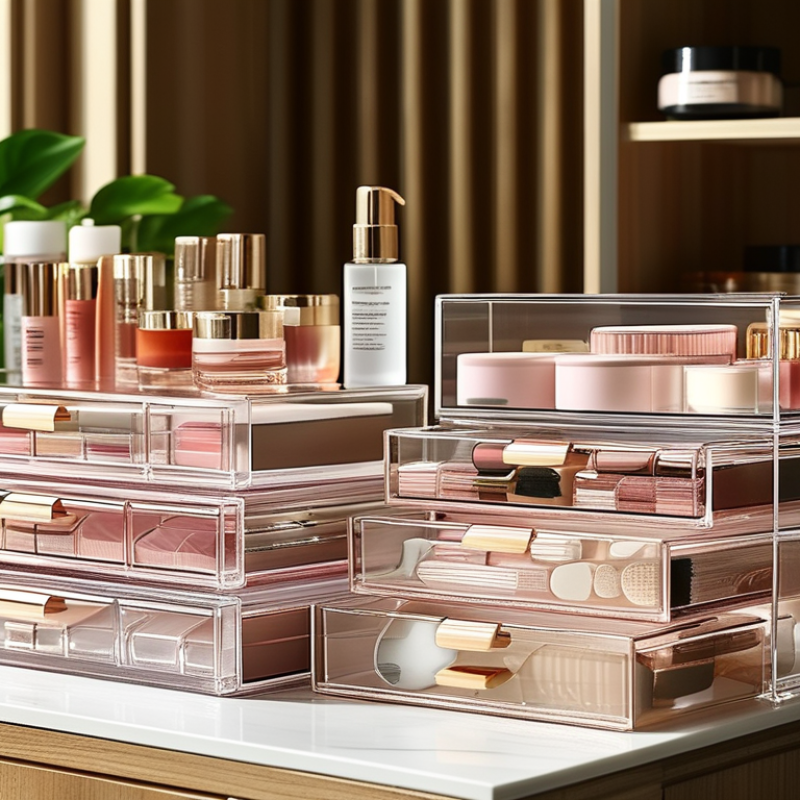
What Is the Best Beauty Organizer for Different Needs?

Beauty Organizers Explained: Types, Features, and Storage Methods

The best beauty organizer depends on your routine, space, and product sizes. A countertop organizer suits daily items such as foundation, brushes, and lip products. It keeps frequently used products visible and easy to reach. A drawer insert works better for small bathrooms or uncluttered surfaces. Tall bottles need deeper compartments, while palettes need wider, flatter sections.

Measure the storage area before choosing a design. Many people skip this step, and I have made that mistake. A clear case makes products easy to identify, but it may show dust quickly. A rotating tray improves access in crowded spaces. For travel, soft compartments reduce movement and protect delicate containers. Look for a stable base, smooth edges, washable surfaces, and strong dividers. These details matter.

Storage methods should follow product use and safety needs. Keep daily skincare together, then separate makeup tools and hair accessories. Store creams away from direct sunlight and excessive bathroom humidity. Hair tools should cool completely before entering a closed container. Clean brushes regularly, and avoid storing damp items in sealed compartments. Labels can help with rarely used products, although they create extra work. Check expiration guidance from product packaging, because appearance alone cannot confirm safety. A better organizer is not always larger; it should make useful habits easier.

Choosing an Organizer for Makeup, Skincare, Haircare, and Tools

The best beauty organizer depends on what you use daily, not its appearance alone. For makeup, choose adjustable compartments that keep brushes upright and palettes flat. Clear sections make colors easy to find before work. Washable surfaces also help remove powder and liquid residue.

Skincare needs a different setup. Select deeper spaces for bottles, pumps, and jars. Opaque drawers can protect light-sensitive products, while open shelves improve visibility. Keep heavier containers near the bottom to prevent tipping.

For haircare, look for tall compartments that hold sprays, brushes, and styling creams. Heat-resistant storage is important for hot tools, but never store them while warm. A separate section for cords prevents tangling and saves drawer space.

Tips: Measure your counter first. Check the organizer’s weight limit. Leave airflow around electrical tools. Clean removable trays regularly. I once chose a beautiful shallow organizer, but large bottles kept falling over. That mistake taught me to measure product height, not just available width. Reassess the layout every few months, because routines change and unused sections can quietly collect dust.

Best Materials, Sizes, and Designs for Different Spaces

What Is the Best Beauty Organizer for Different Needs?

Best Materials, Sizes, and Designs for Different Spaces

The best beauty organizer depends on your room, routine, and storage habits. A clear acrylic organizer works well when you need quick visibility. It lets you find small items without opening drawers. For humid bathrooms, powder-coated metal or stainless steel resists moisture better than untreated wood. Bamboo looks warm, but it needs regular drying and careful cleaning. I once placed a wooden tray beside a sink, and its edges darkened within weeks. That choice was not ideal.

Small spaces need vertical designs with narrow footprints. Choose shelves around 10 to 15 centimeters deep for limited counter space. Rotating trays can hold skincare bottles while using less surface area. Drawers protect cosmetics from dust and direct sunlight. They also make cleaning less frequent, though not unnecessary. Measure twice. A large organizer can block cabinet doors or crowd a shared sink.

Bedrooms allow wider boxes, divided drawers, and taller compartments. Adjustable sections suit changing collections better than fixed slots. Look for smooth edges, stable bases, and removable inserts. These details reduce spills and make sanitation easier. For brushes, use ventilated holders so damp bristles can dry properly. Avoid placing heavy bottles on thin plastic shelves. They may bend over time. I prefer washable materials, but transparent surfaces show every fingerprint. That small flaw can become annoying. A practical design should fit the space first, then match its appearance.

How to Match an Organizer to Your Routine and Budget

What Is the Best Beauty Organizer for Different Needs?

Choosing an organizer should begin with your routine, not its appearance. Count the products you use daily, weekly, and rarely. A shallow tray suits a simple skincare routine. A divided drawer works better for makeup tools and smaller items. If you travel often, choose a lightweight case with washable sections. It should fit inside your luggage without wasting space.

Budget also changes the decision. Circana reported that U.S. prestige beauty sales grew 14% in 2023, showing continued spending on premium products. However, a higher price does not guarantee better organization. McKinsey’s 2023 beauty report expects the global beauty market to grow about 5% annually through 2027. More products may enter your routine. That does not mean you need a larger organizer immediately. A common mistake, including one I made, is buying extra capacity before measuring the shelf. The empty space feels useful, but often becomes clutter.

Tips:

Measure the storage area first. Leave about 20% free space for new products. Use clear compartments for daily items. Store backups separately. Check hinges, seams, and cleaning access before buying. If your routine changes every month, select adjustable dividers instead of fixed slots. For a tight budget, reuse sturdy containers temporarily, but inspect them for residue and moisture. It is less attractive. It can still be practical.

Cleaning, Maintenance, and Efficient Beauty Product Organization

A good beauty organizer should support cleaning, maintenance, and efficient product organization. The best choice depends on daily habits, not appearance alone. Open trays suit frequently used items. Closed drawers protect powders from dust and bathroom moisture. Clear compartments also make forgotten products easier to notice.

The U.S. Food and Drug Administration warns that cosmetics can become contaminated when users add water, share products, or store them improperly. Therefore, wipe handles and drawer surfaces weekly with a suitable cleaner. Wash reusable tools according to their material and dry them completely before storage. Damp sponges need special attention. They can hold residue in hidden seams. Replace items when smell, texture, or color changes.

Small routines matter.

The U.S. Environmental Protection Agency’s 2023 Facts and Figures report recorded 14.5 million tons of plastic containers and packaging in U.S. municipal waste during 2018. A practical organizer can reduce duplicate purchases by keeping backups visible. Group products by function, such as complexion, eye care, and skincare. Label a small “use soon” section for opened products. I still miss an occasional expired item, especially in deep drawers. That flaw shows why organization must remain adjustable. Review the collection monthly, remove empty packaging, and leave space for easy cleaning. A beautiful system that cannot be wiped down is poorly designed.

FAQS

How do I choose an organizer for my daily routine?

Count products used daily, weekly, and rarely. A shallow tray suits simple skincare routines. Divided drawers hold brushes and small items. Keep about 20% free space. Extra capacity can become clutter.

What organizer works best for a small bathroom?

Choose a drawer insert or a compact rotating tray. These designs keep surfaces clear and improve access. Measure the shelf before buying. I have skipped this step before, and the result was frustrating.

How should tall bottles and flat palettes be stored?

Tall bottles need deep compartments. Palettes need wider, flatter sections. Do not force large containers into narrow slots. They may fall or block smaller products.

What features make a beauty organizer practical?

Look for a stable base, smooth edges, washable surfaces, and strong dividers. Clear compartments help identify products quickly. However, clear surfaces show dust faster. Easy cleaning matters more than perfect appearance.

Which organizer is suitable for travel?

Choose a lightweight case with washable compartments. Soft sections reduce movement inside luggage. Make sure the case fits without wasting space. Delicate containers need extra protection.

How should skincare, makeup tools, and hair accessories be separated?

Keep daily skincare together. Store makeup tools in another section. Place hair accessories separately. Creams should stay away from direct sunlight and heavy bathroom humidity. Hair tools must cool completely first.

How can I keep an organizer clean and safe?

Wipe handles and drawer surfaces weekly with a suitable cleaner. Wash reusable tools according to their materials. Dry everything completely before storage. Damp sponges can hide residue in seams. Small routines matter.

How can I prevent expired or forgotten products?

Create a small “use soon” section for opened products. Keep rarely used items in labeled compartments. Review the collection monthly. Check packaging guidance because appearance cannot confirm product safety. I still miss an occasional item in deep drawers.

Is an expensive organizer always better?

No. A higher price does not guarantee better organization. Reuse sturdy containers temporarily if they are clean and dry. Adjustable dividers help changing routines. Practical beats attractive, sometimes.

Conclusion

Choosing the right beauty organizer depends on what you own, how often you use it, and where you plan to store it. Makeup collections may benefit from clear compartments and easy-access drawers, while skincare products are better suited to spacious, stable sections that keep bottles upright. Haircare tools need heat-resistant storage and enough room for cords, brushes, and styling accessories. When considering how to choose beauty organizers for different needs, also evaluate the available space, preferred materials, size, portability, and overall design. Compact options work well for small bathrooms, while modular or tiered organizers can maximize larger spaces.

Your daily routine and budget should guide the final choice. Select an organizer that makes frequently used items visible and less-used products easy to store without clutter. Durable plastic, acrylic, fabric, bamboo, or metal each offer different benefits in appearance, strength, and maintenance. Regularly remove expired products, wipe surfaces, and return items to their designated sections to maintain an efficient system. A practical organizer should simplify your routine, protect your products, and make your beauty space easier to clean and enjoy.

Oliver

Oliver

Oliver is a seasoned marketing professional with a wealth of expertise in driving brand awareness and engagement. With a deep understanding of our company's product offerings, he consistently delivers high-quality content that enriches our professional blog. His insights not only shed light on......