Explore our highly requested engineered sustainable cosmetic carriers, optimized for durability, regulatory compliance, and low environmental impact.
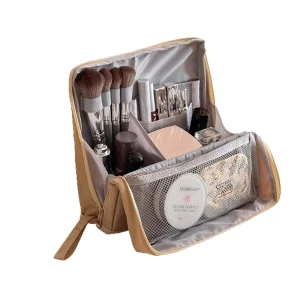
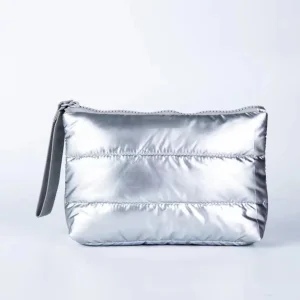
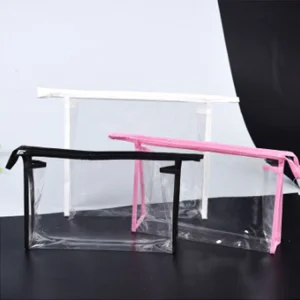
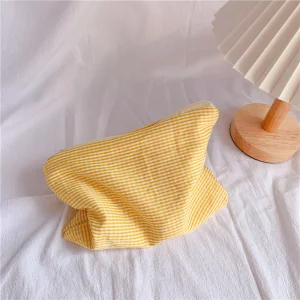
Analyzing the macroeconomic trends, consumer consciousness updates, and regulatory frameworks reshaping global beauty accessory sourcing.
In the highly competitive contemporary cosmetics and beauty landscape, packaging and accessory options are no longer just utilitarian instruments. They are highly expressive manifestations of a brand's core values. Global consumers are intensely scrutinizing the ecological profiles of their purchases. Consequently, international enterprise procurement officers are pivoting rapidly away from traditional synthetic polymers toward advanced eco-friendly makeup bags.
This industry-wide transition is driven by deep structural transformations in consumer psychology and increasingly strict legislative environmental mandates across North America, the European Union, and the Asia-Pacific region. From the European Strategy for Plastics in a Circular Economy to strict regional rules banishing single-use non-biodegradable components, corporate compliance is now intertwined with green innovation. Procurement executives are seeking expert manufacturing partners capable of balancing aesthetic luxury with strict eco-auditing protocols.
A premier Chinese manufacturing force engineering functional, compliant, and design-forward storage components for Tier-1 brands.
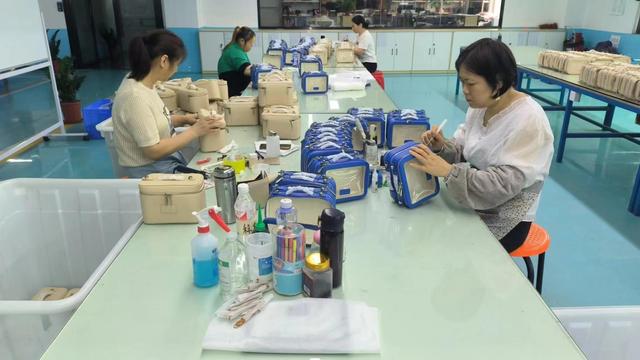
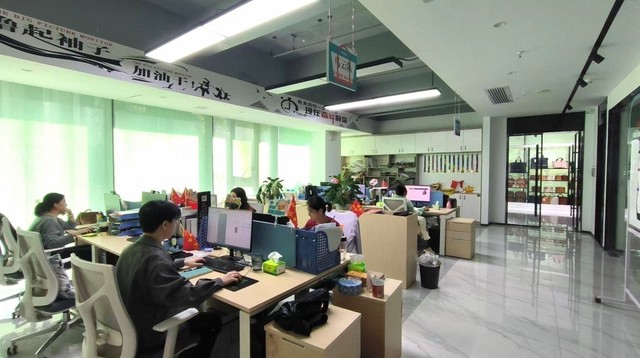
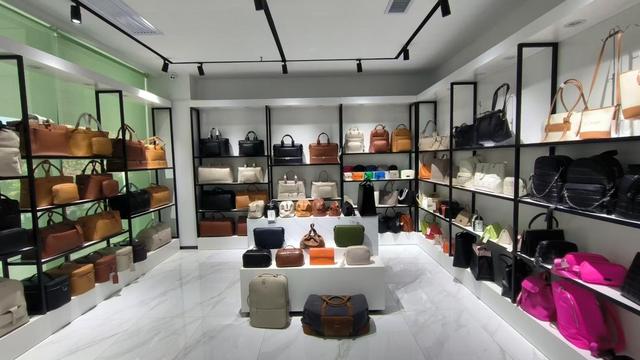
Shenzhen Jaspa Beauty Co., Ltd. is a professional China Makeup Bag Manufacturer specializing in the design, development, and production of high-quality cosmetic bags, beauty organizers, and travel storage solutions for global beauty brands, retailers, wholesalers, distributors, and private label businesses. With extensive experience in the beauty accessories industry, we are dedicated to delivering functional, stylish, and durable products that meet the evolving needs of modern consumers.
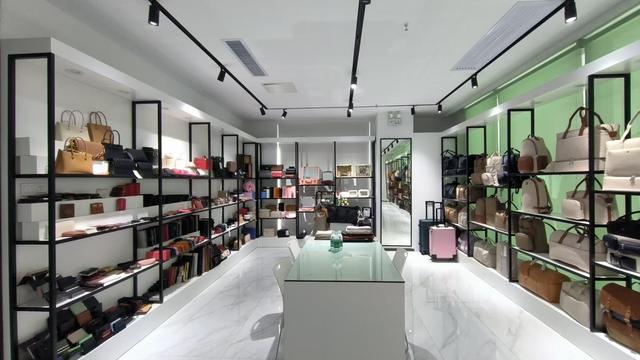
Our product portfolio includes makeup bags, cosmetic organizers, travel beauty bags, toiletry bags, vanity bags, portable cosmetic cases, beauty storage solutions, waterproof cosmetic bags, hanging organizers, and customized beauty accessory products. Designed with practicality, organization, and aesthetics in mind, our products help users conveniently store, protect, and carry their beauty essentials for everyday use and travel.
At Shenzhen Jaspa Beauty Co., Ltd., we provide comprehensive OEM and ODM services to support customers in building successful beauty accessory brands. From product design and material selection to logo customization, packaging development, and large-scale production, our experienced team offers complete manufacturing solutions tailored to specific market requirements and branding strategies.
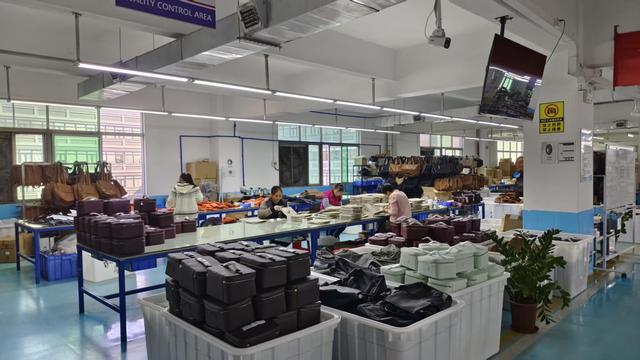
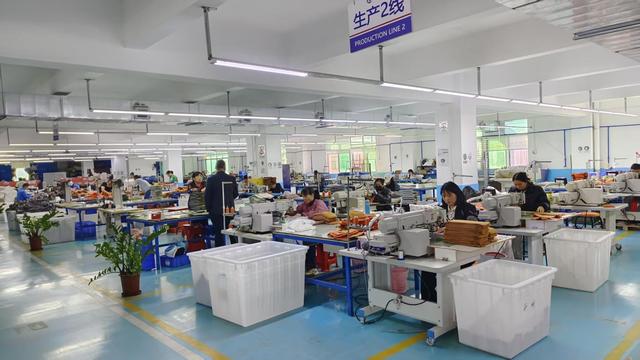
Quality is the foundation of our business. We utilize premium materials, advanced production equipment, and strict quality control systems to ensure every product meets high standards of durability, functionality, and appearance. Our design and development teams continuously explore emerging fashion trends, innovative storage concepts, and consumer preferences to create competitive products for international markets.
In addition, we are committed to sustainable manufacturing practices by promoting environmentally responsible materials and efficient production processes that support long-term business growth and environmental stewardship.
Serving customers across North America, Europe, Asia, the Middle East, and other global regions, Shenzhen Jaspa Beauty Co., Ltd. has established a reputation as a trusted partner in the beauty accessories industry.
Why Southern China's industrial clusters lead the world in sustainable textile engineering, raw material agility, and cost-effective export logistics.
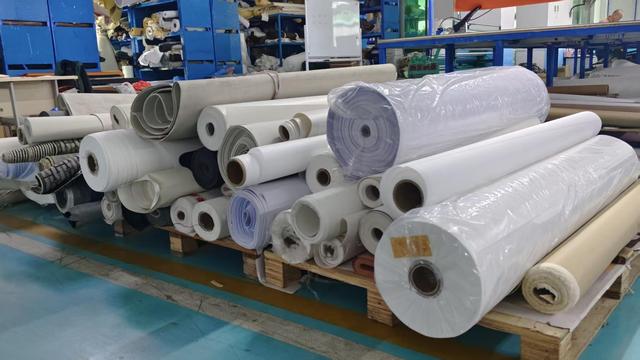
The concentration of raw material processors, specialized hardware foundries, and advanced weaving mills in Guangdong allows factories to source certified eco-fabrics such as RPET, organic cotton, and biodegradable TPU in record time, slashing product development life cycles.
Top-tier Chinese exporters comply with international ESG standards. Modern facilities operate under BSCI, Sedex, ISO 9001, and GRS protocols, providing transparent material verification paperwork for international customs and retail compliance audits.
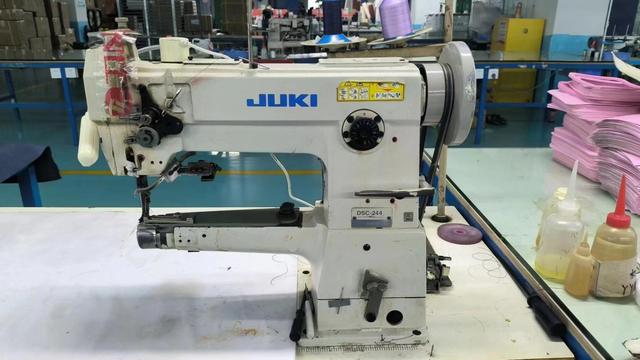
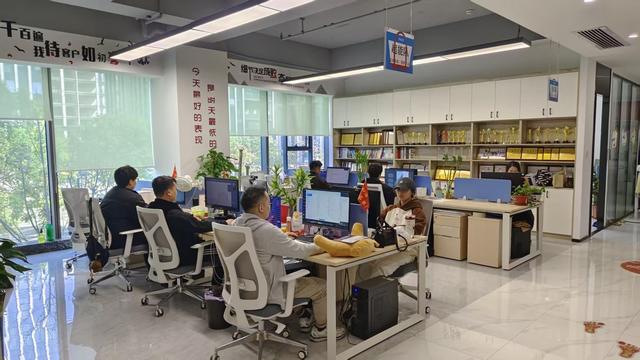
Chinese facilities use computerized pattern cut-and-sew arrays, high-frequency non-toxic adhesive welding systems, and energy-efficient water-based ink silk-screen facilities to achieve tight tolerances and minimize material waste.
A B2B technical analysis mapping structural utility against environmental degradation profiles for strategic inventory asset planning.
When engineering high-volume eco-friendly makeup bags, material science dictates both user satisfaction and product lifespan. Below are the primary textile and structural matrix paths utilized by modern factories to substitute standard petroleum derivatives:
Derived from discarded plastic bottles and commercial ocean waste networks, RPET represents the standard for high-performance cosmetics luggage. Through mechanical purification, pelletization, and extrusion, it is transformed into yarns ranging from fine 210D linings to heavy-duty 1680D exterior structures. RPET offers exceptional tensile strength, resistance to tearing, and a high barrier against moisture, yielding an excellent long-life performance matrix.
Grown without toxic chemical pesticides or engineered fertilizers, organic cotton avoids agricultural runoff issues. When woven into heavy canvas forms (8oz to 16oz), it delivers an elegant tactile experience favored by premium clean-beauty brands. Hemp blends offer native antimicrobial protection and greater structural stability, weathering prolonged heavy loads during regular travel use.
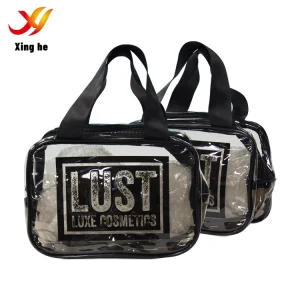
Traditional clear travel pouches rely heavily on standard chlorinated polymers (PVC), which release phthalates over time. Modern green factories deploy advanced bio-based Thermoplastic Polyurethane (TPU) derived from plant starches or utilize GRS-certified Recycled PVC. These materials maintain optical clarity and waterproof integrity while decaying into non-harmful compounds under commercial composting conditions.
Harvested by carefully stripping the bark of Mediterranean cork oak trees without killing the tree, cork sheet backing presents a natural, water-resistant, shock-absorbing alternative to synthetic leathers. Similarly, complex plant materials derived from pineapple waste fibers (Pinatex) or apple skins provide a premium aesthetic without the environmental burden of animal farming or polyurethane processing.
Integrating lifecycle considerations into production, from closed-loop manufacturing to transport volume consolidation.
True environmental sustainability extends beyond raw materials to encompass the entire manufacturing footprint. Industry leaders like Shenzhen Jaspa Beauty Co., Ltd. actively refine the complete life cycle of their products via systematic carbon minimization strategies.
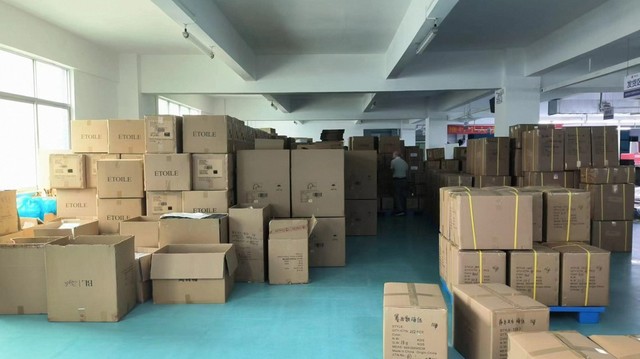
By establishing closed-loop fabric reclamation loops, post-industrial offcuts are automatically shredded, re-spun, and reintegrated into interior linings or protective dust sheets, resulting in near-zero waste production profiles. Furthermore, by evaluating shipping volume densities during the initial CAD design phase, custom cosmetics cases can be engineered to nest within one another. This reduces empty space during sea freight shipping, dramatically lowering the carbon footprint per unit and helping enterprise clients meet their ESG carbon reduction goals.
How distinct commercial ecosystems use sustainable storage designs across different markets.
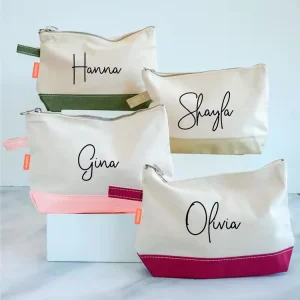
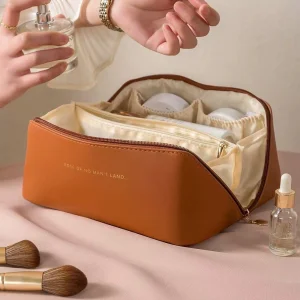
High-end cosmetic brands use recycled quilted nylon or vegan leathers to complement product launches. Monochromatic palettes and hidden zero-metal closures reinforce a minimalist luxury aesthetic.
High-volume beauty curation platforms require cost-effective, flat-packed options like lightweight canvas or recycled TPU pouches. These designs cut down on fulfillment shipping weights while showcasing bold, custom soy-ink logos.
B2B enterprise clients use organic cotton terry cloth or hemp hanging toiletry organizers for corporate incentive programs or premium airline business class amenities, demonstrating their corporate commitment to sustainability.
A transparent guide to factory quality control, raw material certification, and production lifecycle milestones.
Securing a premium manufacturing partner requires evaluating their engineering metrics and verification protocols. To ensure consistent quality across large productions, global brands should look for partners utilizing structured QA steps:
Every inbound batch of RPET or organic cotton yarn must undergo laboratory verification. This is confirmed by verifying the respective transaction certificates (TC) provided by suppliers, which match GRS or GOTS chain-of-custody tracking numbers. Testing also includes validating the absence of trace heavy metals, formaldehyde, and harmful alkylphenols via independent testing agencies like SGS or Intertek.
To prevent field failures, structural prototypes undergo rigorous physical testing before volume manufacturing begins. This includes heavy cycle zipper fatigue trials, cross-stitch tensile strength tests, and colorfastness evaluations under UV light to ensure the bag keeps its finish over time.
A trustworthy factory implements clear AQL (Acceptable Quality Level) standards, typically running AQL 2.5 checkpoints. Auditors check raw material cutting accuracy, stitch spacing consistency, alignment, zipper smoothness, and final clean-room packing configurations to ensure everything arrives in shelf-ready condition.
Direct, actionable answers to essential sourcing, regulatory compliance, and material engineering questions.
For verified recycled synthetics like RPET nylon or polyester, look for the Global Recycled Standard (GRS) certification. Natural fibers require Global Organic Textile Standard (GOTS) or OEKO-TEX Standard 100 certification. These ensure clear tracking throughout the supply chain and confirm the material is free from harmful chemicals.
Standard custom production runs typically start between 1,000 and 3,000 units per style, depending on fabric dye requirements. Stock-color eco-fabrics can sometimes be sourced for smaller introductory runs of 500 units, while completely custom weaves or custom-molded bio-TPU shapes require higher minimums due to industrial setup constraints.
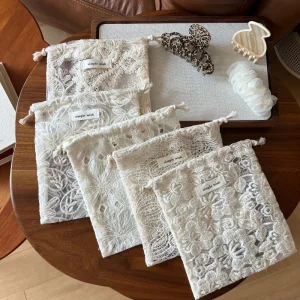
Exporters replace traditional closures with zinc-alloy or aluminum pullers designed for disassembly and recycling, or use zippers with tape made entirely from recycled PET. For zero-plastic designs, natural wooden toggles, coconut shell buttons, or organic cotton drawstrings are common options.
Yes, sustainability can look luxurious. Using dense, high-denier recycled satin nylon, textured cork sheets, or apple-derived vegan leather yields excellent structural shapes and premium finishes. These look great alongside high-end embossed brand elements and solid metal accents.
Initial CAD blueprints and physical sample construction usually take 7 to 10 working days. Once the pre-production sample is approved and materials are secured, volume manufacturing takes roughly 30 to 45 days, depending on order size and current factory capacity.
Modern factories move away from PVC plastisol inks. Instead, they use water-based pigment inks or soy-based digital inks. These methods produce sharp designs while keeping the final product safe from volatile organic compound (VOC) emissions.
Yes, water resistance is achieved through eco-friendly means. Instead of using fluorocarbon-heavy coatings (PFOA/PFOS), factories apply non-toxic water-resistant treatments like thin interior TPU layers or eco-friendly water-repellent sprays, keeping the contents safe from leaks.
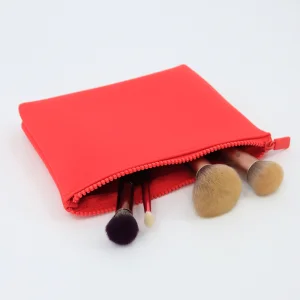
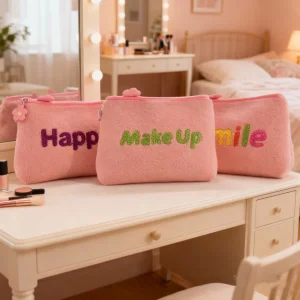
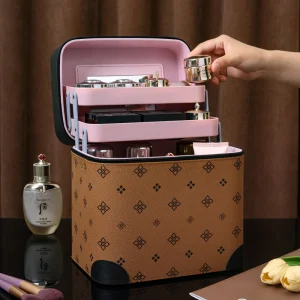
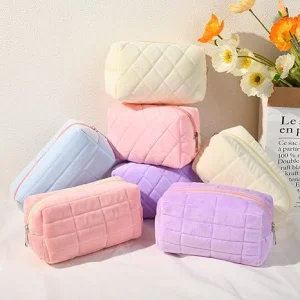
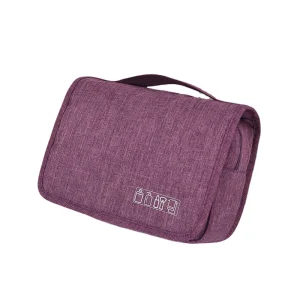
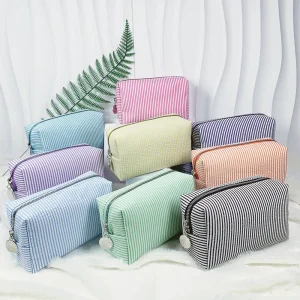
Review additional designs combining practical storage layout with modern sustainable textiles.
 Jaspa Beauty