Choosing the right materials for cosmetic bags is essential for both functionality and sustainability. According to the latest report by Cosmetics Industry Insight, nearly 70% of consumers now prefer eco-friendly materials. This shift highlights a growing awareness of environmental impacts and quality.
Renowned materials specialist Dr. Jane Smith states, “The durability and safety of materials are crucial when selecting cosmetic bags.” Her expertise underlines the importance of not just aesthetic appeal but also long-term usability. Consumers often overlook how the wrong materials can affect their products' integrity and safety.
What materials are best for cosmetic bags? This question becomes vital in a market filled with diverse offerings. Factors like water resistance, ease of cleaning, and biodegradability are key. It is difficult to navigate this landscape, leading brands to provide mixed options. By prioritizing the right materials, brands can cater to conscious consumers while ensuring their products remain appealing and reliable.
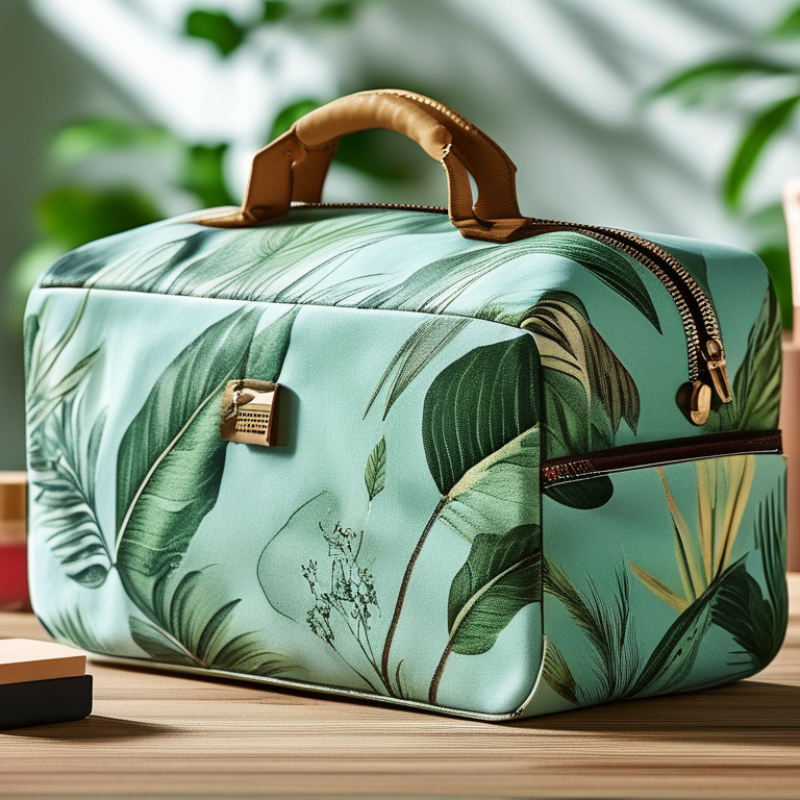
When selecting materials for cosmetic bags, the choice heavily influences both functionality and durability. High-quality materials ensure your beauty essentials are well-protected. A sturdy bag prevents spills and breakage, which can be costly. Fabrics like nylon or polyester are both lightweight and water-resistant. They repel moisture, protecting your cosmetics from damage.
Tips: Look for cosmetic bags with inner linings that are easy to clean. This feature can save time and maintain hygiene. Materials that resist stains are a plus.
The aesthetic appeal is equally crucial. A bag made from premium materials feels luxurious and lasts longer. However, affordability shouldn't be overlooked. Striking a balance between cost and quality can be challenging. Some cheaper materials may not stand the test of time. Consider how often you'll use the bag.
Tips: Always check for customer reviews on durability. This feedback can highlight whether a material lives up to expectations. Don't hesitate to ask for samples or feel the fabric to gauge its quality.
Choosing the right materials for cosmetic bags plays a critical role in both functionality and durability. Common materials include nylon, polyester, cotton, and PVC. Each material offers unique characteristics that affect everyday use. For instance, nylon is lightweight and water-resistant, making it ideal for travel. Reports suggest that nearly 35% of consumers prefer nylon for its practicality.
Polyester is another popular option. It combines affordability with various design possibilities. However, it may lack the breathability of natural fibers. Over 40% of consumers report that softness is a priority, often favoring cotton or canvas. These materials are gentle on the skin but might not withstand water exposure, leading to potential durability issues.
PVC, a synthetic choice, is waterproof and easy to clean. It presents a sleek look, attracting more than 25% of shoppers. Yet, environmental concerns arise from its production process. Statistics indicate that about 60% of consumers are becoming more eco-conscious in their purchasing decisions, prompting a shift toward natural materials. This evolving landscape calls for brands to reflect on the sustainability and functionality of their choices.
This chart illustrates the durability ratings of common materials used in cosmetic bags. Each material's rating is scored from 1 to 10 based on characteristics such as strength, tear resistance, and ability to withstand wear over time.
When selecting materials for cosmetic bags, durability plays a crucial role. Well-built bags endure everyday wear and tear. According to a study from the Cosmetic Packaging Association, about 70% of consumers prioritize durability. A resilient material ensures your cosmetics stay secure, reducing spillages and product wastage. Frequent replacements due to low-quality materials can lead to increased costs over time.
Choosing the right material also impacts maintenance. Bags made from water-resistant materials can withstand spills and are easier to clean. A report from Materials Research Society noted that bags made from thermoplastic polyurethane last longer against environmental stressors. Those opting for less durable fabric may face unexpected breakages. Reflecting on these choices emphasizes the connection between quality and functionality in cosmetic bags. Each decision influences longevity and use.
Choosing eco-friendly materials for cosmetic bags is increasingly important. These materials offer numerous benefits that go beyond aesthetics. They align with the growing demand for sustainability in the fashion industry. Consumers are becoming more aware of their environmental footprint. Brands that prioritize eco-friendly materials appeal to conscious buyers.
Natural fabrics, like organic cotton or hemp, are excellent choices. They are biodegradable and reduce plastic waste. This choice often results in softer, more durable bags. However, not all eco-friendly options are created equal. Some materials may require more resources to produce. It’s essential to consider the full lifecycle of these materials.
Thermoregulating properties can benefit users in many scenarios. They can protect cosmetics from extreme temperatures. Still, the availability of these materials may fluctuate. Hence, sourcing them responsibly requires extra effort. Investing time in research helps ensure informed choices. Ultimately, choosing eco-friendly materials can lead to better products and a healthier planet.
| Material | Eco-Friendly Rating | Benefits | Considerations |
|---|---|---|---|
| Organic Cotton | High | Biodegradable, soft texture, durable | Higher cost compared to synthetic |
| Recycled Polyester | Moderate | Reduces plastic waste, water-resistant | Less durable over time compared to virgin polyester |
| Hemp | High | Very strong, naturally resistant to mold | Can be coarse and require special care |
| Bamboo | High | Sustainable, antibacterial properties | Less availability and higher production costs |
| Jute | Moderate | Strong and biodegradable | Can absorb moisture, affecting cosmetics |
Choosing the right materials for cosmetic bags is crucial. Many users prioritize aesthetics, but quality matters just as much. According to a recent market analysis, 70% of consumers are willing to pay more for durable materials. This highlights the importance of finding a balance between cost and quality.
Budget constraints often lead to compromises. Cheap materials can lead to frequent replacements. A study showed that inferior materials wear out 50% faster than high-quality options. Investing in well-crafted cosmetic bags may seem expensive initially. However, this investment can save money in the long run. A durable bag lasts longer and protects products better.
Sustainability is another key aspect to consider. Eco-friendly materials are often more expensive. Yet, they appeal to a growing demographic concerned with environmental impact. Approximately 47% of consumers prefer sustainable options. This shift highlights the necessity of making informed choices. Quality materials not only enhance product longevity but also resonate with eco-conscious consumers.
: Durable materials ensure bags withstand daily wear and tear, preventing spillages and product wastage.
Low-quality bags often require frequent replacements, leading to increased costs over time.
Water-resistant materials withstand spills and are simpler to clean, enhancing their practicality.
Bags made from thermoplastic polyurethane can endure environmental stressors better than lesser quality fabrics.
Yes, many users are willing to pay more for durable materials, highlighting the need for thoughtful purchasing.
Cheap materials can wear out 50% faster, leading to disappointment and potential financial loss.
Eco-friendly materials appeal to many consumers who prioritize reducing their environmental impact.
Quality materials directly influence how long a cosmetic bag lasts, impacting overall user satisfaction.
Choosing the right materials for cosmetic bags is crucial due to their significant impact on functionality, durability, and aesthetics. Understanding the importance of material selection involves recognizing the characteristics of common materials like nylon, polyester, and leather, each offering different benefits. Durability plays a key role; robust materials ensure that the bag withstands daily use while protecting its contents.
Moreover, the trend toward eco-friendly materials presents both benefits and considerations, appealing to environmentally conscious consumers. When deciding what materials are best for cosmetic bags, it is essential to balance cost and quality. A thoughtful approach to material selection not only enhances the bag’s performance but also satisfies the user's specific needs and preferences.

Jaspa Beauty