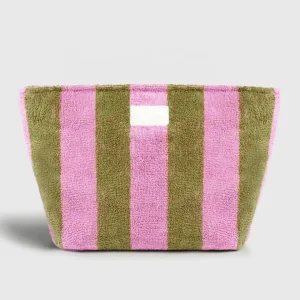
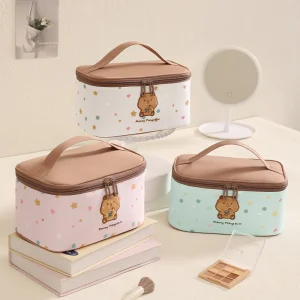
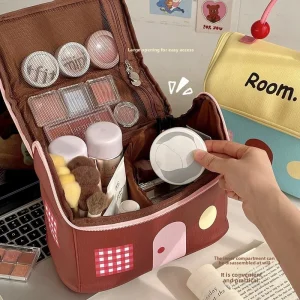
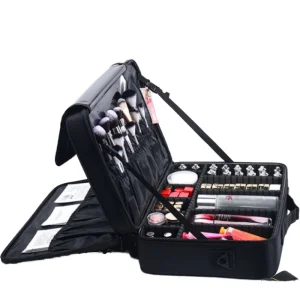
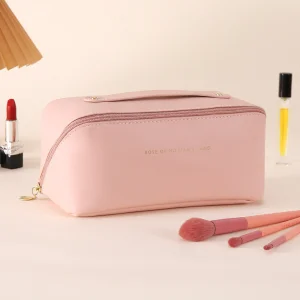
Explore our highly requested commercial pouch configurations, engineered for durability, high-capacity organization, and premium brand aesthetics.
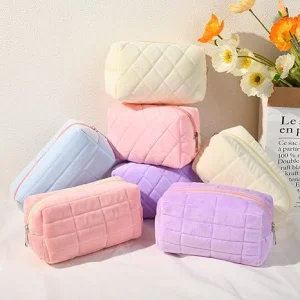
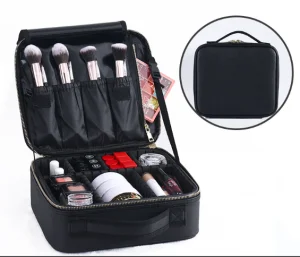
Understanding market growth, demand drivers, and supply chain logistics in the modern pouch manufacturing sector.
In the contemporary B2B market, the term "accessory pouch" spans multiple high-growth segments including cosmetics, personal electronics, travel storage, medical kits, and promotional packaging. No longer treated as basic canvas wraps, accessory pouches are now engineered utility systems designed to protect sensitive products, reinforce brand identity, and meet rigorous global compliance standards.
The global market is expanding rapidly due to the explosive growth of the beauty and personal care sectors, coupled with an increasing lifestyle shift toward travel and modular organization. For cosmetic brands, retail buyers, and industrial developers, sourcing the right manufacturing partner is not simply a matter of comparing unit costs; it involves assessing manufacturing capacity, material technology, and sustainability certifications. The shift toward sustainable materials such as GOTS-certified organic cotton, RPET (recycled polyethylene terephthalate), biodegradable TPU, and vegan leather has fundamentally altered the sourcing criteria for major global retailers in North America and Western Europe.
Integration of water-repellent coatings, non-toxic PVC alternatives, antimicrobial linings, and high-tensile zipping components for durability.
Diversification of raw material procurement and optimization of automated tooling to guarantee consistent delivery schedules.
Adherence to REACH, RoHS, FDA, and Prop 65 regulations, ensuring all materials are safe for direct consumer contact.
How advanced machinery, CAD modeling, and smart features are reshaping high-volume custom production.
| Technology Segment | Conventional Processing | Next-Gen Manufacturing (Industry 4.0) | Primary Business Benefit |
|---|---|---|---|
| Pattern Cutting | Manual die-cutting presses | Automated CNC laser & waterjet cutting systems | Zero material waste, millimeter-precision alignment |
| Seaming & Sealing | Standard needle sewing | High-frequency ultrasonic welding (leakproof) | Waterproof seams, highly durable seal structures |
| Printing & Branding | Basic screen printing | UV digital printing & eco-solvent heat transfers | Fade-resistant high-res graphics, low VOC emissions |
| Lining Integration | Loose-fit inner fabric lining | Laminated thermoplastic polyurethane (TPU) backings | Easy-to-clean, chemical-resistant interior walls |
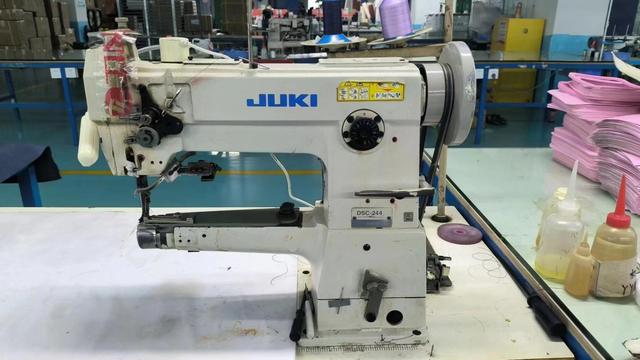
Innovation in the premium pouch manufacturing industry is driven by two main elements: tactile functionality and smart organization. Leading manufacturers are investing heavily in automated sewing systems and advanced material compound development. In particular, the demand for clear, durable PVC alternatives has driven the adoption of TPU (Thermoplastic Polyurethane), which offers superior cold-temperature crack resistance, high transparency, and a significantly lower environmental impact.
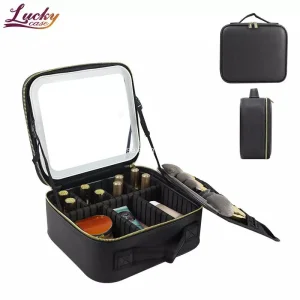
Furthermore, specialized segments are incorporating functional features directly into standard cosmetic pouches. These range from integrated, rechargeable LED vanity mirrors to custom magnetic modular compartments that snap together, allowing consumers to customize their layout based on their travel needs. The modern factory must adapt to these complex requirements through flexible, agile assembly lines and robust quality control systems.
How different geographical markets and B2B business models approach pouch specification and purchasing.
Strong emphasis on compliance (California Prop 65, FDA contact testing), custom branding capabilities, and rapid transit logs. Preferred materials center around recycled RPET and vegan faux leather with high-grade metal zippers.
Strict focus on GOTS (Global Organic Textile Standard) cotton, FSC-certified paper card packaging, and non-toxic dye processes. Sourcing parameters demand full traceability of the supply chain and low-carbon shipping solutions.
High demand for high-volume, cost-efficient, multi-functional cosmetic bags. Focus is placed on high-frequency production, varied material selections (nylon, polyester, canvas), and flexible MOQ thresholds.
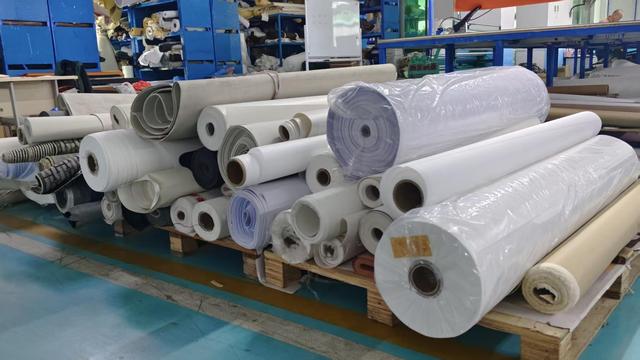
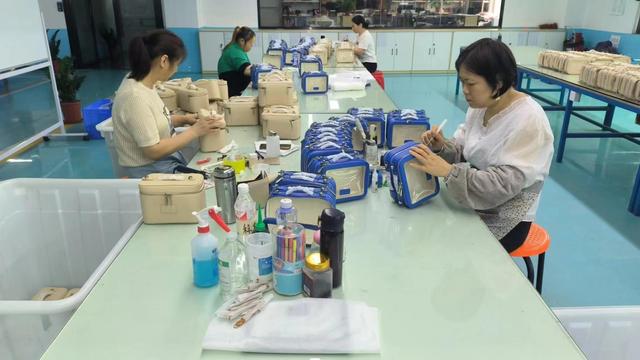
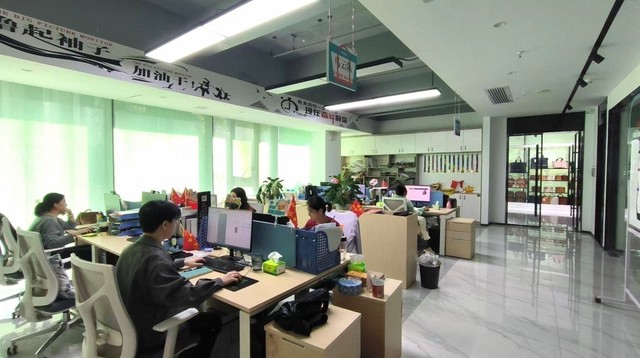
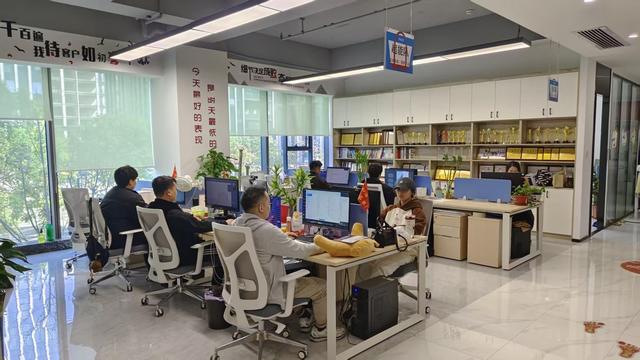
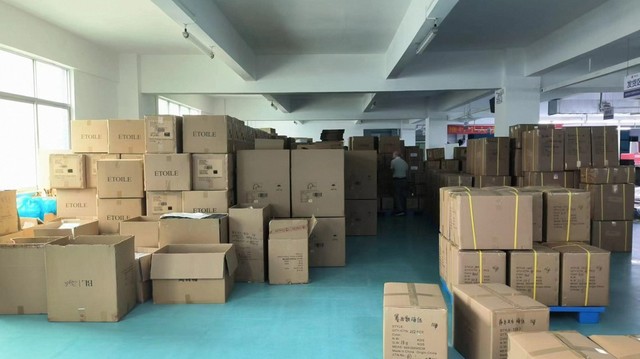
Shenzhen Jaspa Beauty Co., Ltd. is a professional China Makeup Bag Manufacturer specializing in the design, development, and production of high-quality cosmetic bags, beauty organizers, and travel storage solutions for global beauty brands, retailers, wholesalers, distributors, and private label businesses. With extensive experience in the beauty accessories industry, we are dedicated to delivering functional, stylish, and durable products that meet the evolving needs of modern consumers.
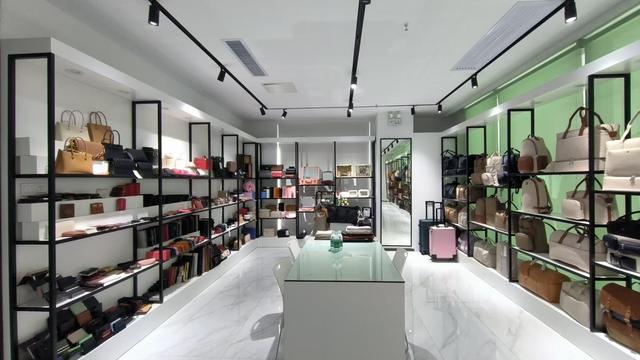
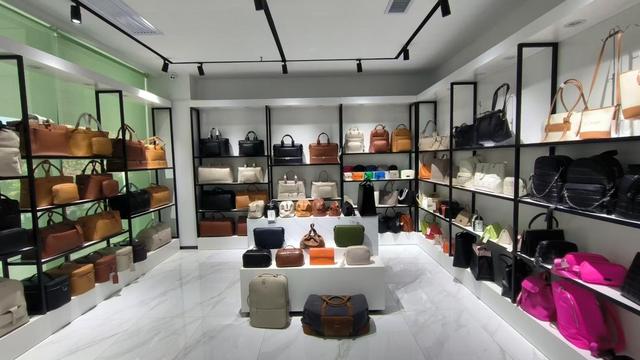
Our product portfolio includes makeup bags, cosmetic organizers, travel beauty bags, toiletry bags, vanity bags, portable cosmetic cases, beauty storage solutions, waterproof cosmetic bags, hanging organizers, and customized beauty accessory products. Designed with practicality, organization, and aesthetics in mind, our products help users conveniently store, protect, and carry their beauty essentials for everyday use and travel.
At Shenzhen Jaspa Beauty Co., Ltd., we provide comprehensive OEM and ODM services to support customers in building successful beauty accessory brands. From product design and material selection to logo customization, packaging development, and large-scale production, our experienced team offers complete manufacturing solutions tailored to specific market requirements and branding strategies.
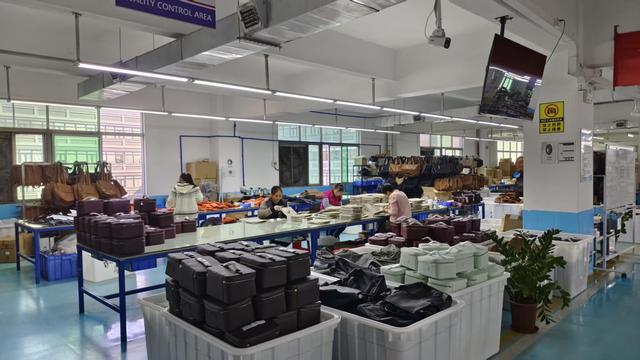
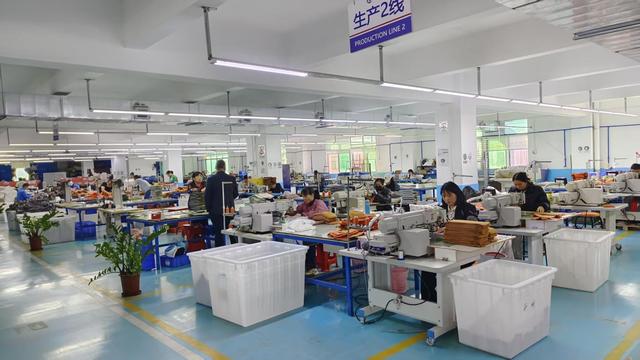
Quality is the foundation of our business. We utilize premium materials, advanced production equipment, and strict quality control systems to ensure every product meets high standards of durability, functionality, and appearance. Our design and development teams continuously explore emerging fashion trends, innovative storage concepts, and consumer preferences to create competitive products for international markets.
In addition, we are committed to sustainable manufacturing practices by promoting environmentally responsible materials and efficient production processes that support long-term business growth and environmental stewardship. Serving customers across North America, Europe, Asia, the Middle East, and other global regions, Shenzhen Jaspa Beauty Co., Ltd. has established a reputation as a trusted partner in the beauty accessories industry.
How material sciences and eco-directives will transform consumer bag manufacturing over the next five years.
Phasing out chemical plasticizers in TPU/PVC bags and replacing them with plant-based cornstarch and sugarcane biopolymers to achieve a lower carbon footprint.
Widespread deployment of stitchless ultrasonic welding techniques to minimize needle-point leaks and optimize water-resistance in travel washbags.
Embedding high-performance RFID tags, flexible display elements, and anti-counterfeiting microchips directly into luxury cosmetic bags and organizers.
Implementing take-back programs and using 100% monomaterial construction, allowing end-of-life products to be fully recycled without sorting.
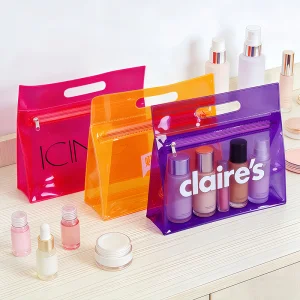
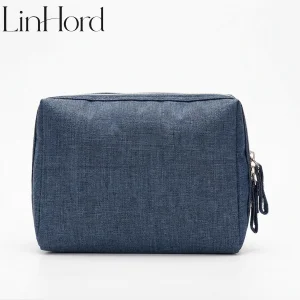
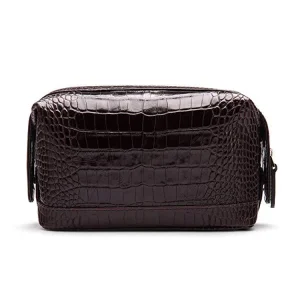
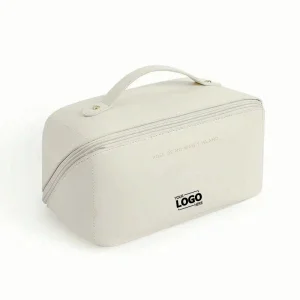
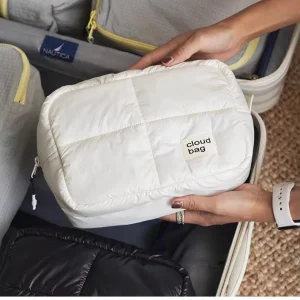
Additional high-performance patterns and customizable designs available for global retail deployment.
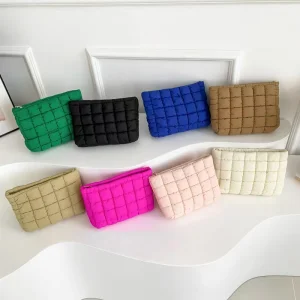
A professional guide to screening, auditing, and finalizing contracts with international pouch suppliers.
When selecting a supplier from the list of the top 10 global manufacturers, procurement managers must look beyond unit pricing. A comprehensive audit framework evaluates four key areas:
By establishing strict criteria early in the negotiation process, brand owners can prevent issues like color variations, off-center branding, zipper failures, and shipping delays. This ensures a smooth and reliable production cycle from order to delivery.
Direct, technical answers to common questions about customization, lead times, materials, and international shipping.
For custom OEM/ODM designs, typical MOQs range from 500 to 2,000 pieces per design, depending on the material selected. Standard fabrics like nylon and polyester have lower MOQs, while custom-dyed organic textiles or custom-colored vegan leather may require higher minimums due to fabric mill production runs.
We source raw materials that comply with major regional safety standards, including REACH for the European Union and California Proposition 65 for North America. Additionally, we offer options for GOTS-certified organic cotton, GRS-certified recycled polyester (RPET), and biodegradable plastics to help brands meet their sustainability goals.
Sample creation generally takes 5 to 7 business days once design specifications are finalized. Mass production typically requires 30 to 45 days, depending on the complexity of the design, the current production schedule, and the quantity ordered.
We offer a range of branding options based on the material and desired aesthetic: silk screen printing for bold logos, hot-stamping/debossing for vegan leather, woven labels for canvas, and digital heat transfer printing for complex, multi-colored designs.
Yes. As an experienced ODM manufacturer, we can design custom interiors, including adjustable velcro dividers, elastic brush holders, mesh pockets, and waterproof linings, to match your specific layout requirements.
 Jaspa Beauty