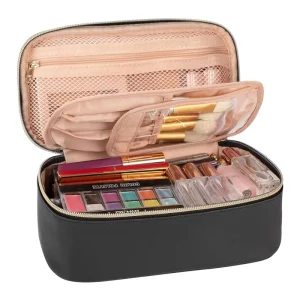
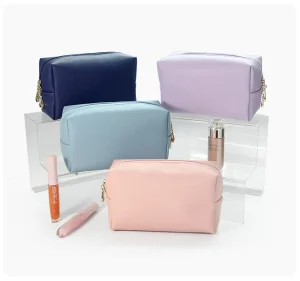
Engineered for professional cosmetic brand portfolios expanding within the Kansai economic sphere and major metropolitan retail grids.
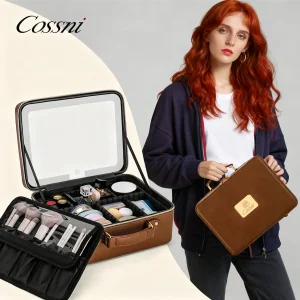
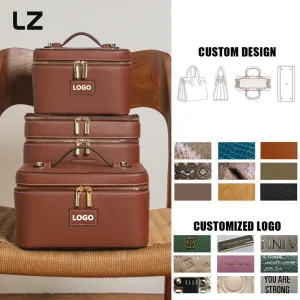
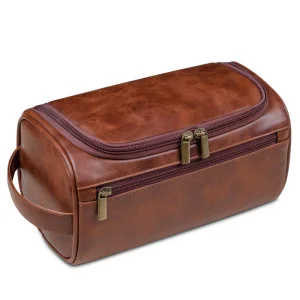
The Kansai region, anchored by the commercial nucleus of Osaka, represents a highly sophisticated consumer environment that demands absolute precision in industrial product execution. As a prominent historical gateway for international trade in Western Japan, the Osaka market operates under an complex cross-functional ecosystem encompassing premium department store networks in Shinsaibashi and Umeda, specialized lifestyle distribution centers, and extensive wellness retail clusters. Within this high-density market, travel makeup bags are no longer classified as mere utilities; they are treated as an integrated lifestyle accessory that directly reflects a brand's mechanical engineering capability and design aesthetic.
B2B buyers, cosmetic brand distributors, and purchasing departments within Osaka place a rigorous emphasis on material durability and functional compactness. Space optimization is critical in Japanese domestic travel infrastructure, meaning cosmetic cases must feature multi-tiered configurations, variable spatial partition capabilities, and clean linear seals. To successfully enter this market, foreign manufacturers must align with local commercial standards that penalize loose threads, misaligned stitch paths, or chemical odor emissions. Sourcing strategies in Osaka prioritize tier-1 manufacturing hubs capable of demonstrating agile manufacturing loops, comprehensive raw-material compliance, and reliable cross-border logistics lanes.
Shenzhen Jaspa Beauty Co., Ltd. is a leading China Makeup Bag Manufacturer specializing in the end-to-end design, rigorous material development, and high-volume industrial production of premium cosmetic bags, specialized beauty organizers, and durable travel storage arrays. Our advanced industrial infrastructure supports global beauty brands, tier-1 retailers, boutique wholesalers, corporate distributors, and private label enterprises seeking high-yield production capabilities. With deep historical insight into the shifting dynamics of the beauty accessories industry, we bridge advanced textile manufacturing with intelligent ergonomics.
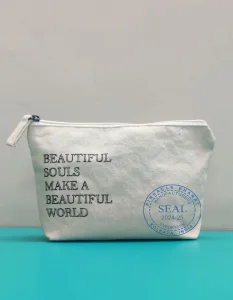
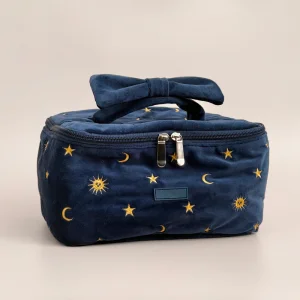
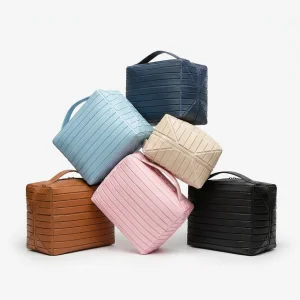
Our expansive and diversified portfolio consists of heavy-duty makeup bags, modular cosmetic organizers, professional travel beauty bags, waterproof toiletry systems, multi-tiered vanity cases, portable cosmetic boxes, and custom-molded storage solutions for complex retail specifications. Every component is developed to solve clear retail problems: optimized accessibility, secure item protection, and refined visual appeal. We support international enterprises by providing fully integrated, high-capacity OEM and ODM lifecycles, taking projects seamlessly from initial structural blue-prints and polymer selection to custom zipper development, bespoke corporate branding, and strict maritime packaging execution.
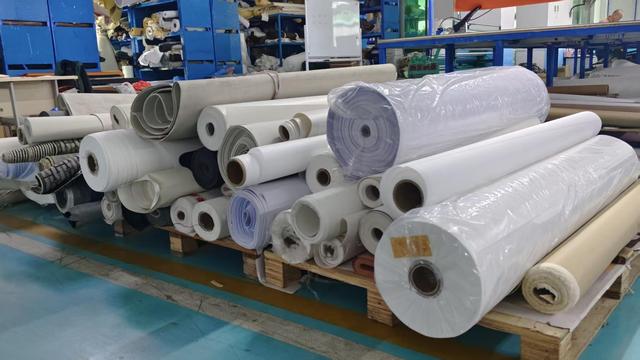
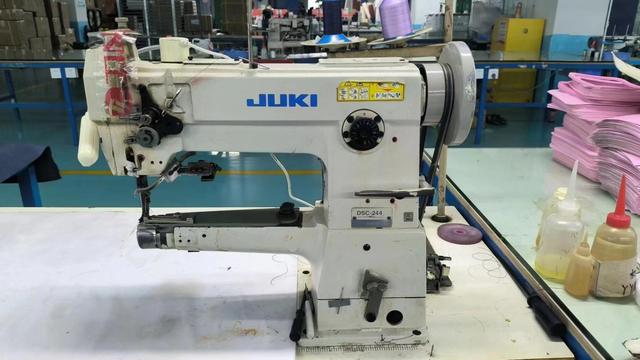
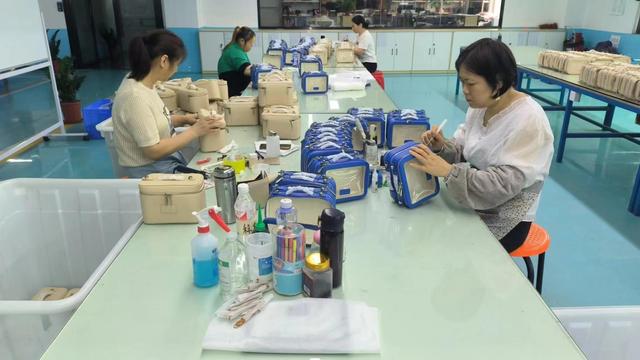
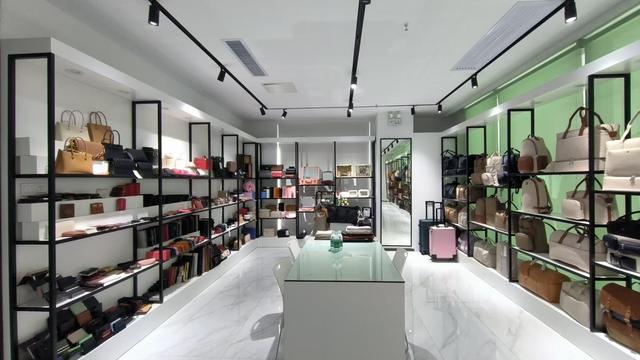
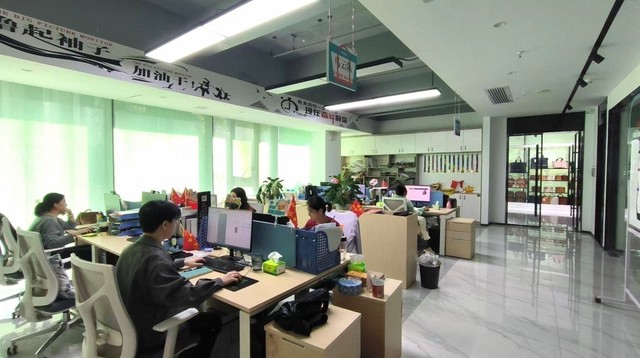
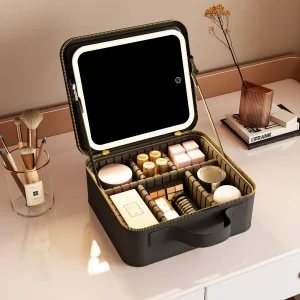
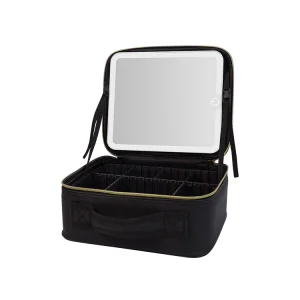
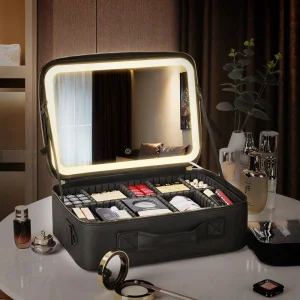
At Jaspa Beauty, product quality is the cornerstone of our manufacturing operations. We utilize advanced computer-controlled cutting machinery, programmable heavy-duty industrial sewing stations, and multistage inline tension testing systems to ensure that each structural seam can withstand continuous travel stress. Our forward-deployed design divisions monitor consumer preference vectors, tracking the convergence of consumer electronics with traditional accessories, which has allowed us to pioneer integrated LED illuminating storage systems. Furthermore, we maintain a clear commitment to environmental stewardship through the deployment of verified rPET canvases, biodegradable PU alternatives, and low-waste production processes that meet rigorous corporate sustainability mandates globally.
Global cosmetics logistics require materials that can handle extreme climate variations during intermodal freight transport. Sudden changes in ambient humidity and pressure within cargo holds can compromise low-grade plastics, leading to structural failures like warping or brittleness. Our engineered composite polyurethane (PU) formulations are optimized to remain flexible from -20°C up to 60°C. This ensures that when products travel from high-humidity manufacturing corridors across Asia to retail outlets in Osaka, they retain their structural form, tactile soft-feel qualities, and finish integrity without surface weeping.
Furthermore, our advanced material architecture incorporates anti-fungal treatments and highly effective hydrophobic internal linings. If a liquid cosmetic container leaks inside during transit, the localized fluid is fully contained within that specific sealed chamber, preventing cross-contamination to other storage zones. By selecting premium, light-weight honeycomb internal support structures rather than heavy solid cardboard fillers, we reduce overall product weight by 35%. This offers significant cost advantages for global air-freight allocations and improves direct-to-consumer parcel shipping margins.
Product optimization requires mapping out real-world use cases. In Western Japan, travel patterns dictate distinct spatial constraints that directly impact cosmetic case engineering:
Navigating Japanese product entry requires strict adherence to localized safety frameworks and quality verification protocols. For example, any integrated electronics must comply with METI regulations, which govern electromagnetic safety and consumer battery protection. Our specialized LED-integrated vanity structures utilize certified lithium-ion polymer cells featuring protective dual-circuit configurations that avoid overcharging risks and satisfy international transport safety standards.
Additionally, our fabrics undergo rigorous inspection for restricted chemical compounds to comply with local health regulations and global standards like REACH. Our chemical management process guarantees zero trace levels of restricted plasticizers or heavy metal colorants. On the physical processing line, we use a zero-tolerance inspection model based on tight acceptable quality limits (AQL). This ensures that critical issues like jagged zipper actions, rough raw edges, or loose structural stitches are caught and eliminated prior to final export packaging.
Aligning manufacturing capabilities with next-generation material science and smart electronics integration over the next 24 months.
Transitioning 80% of our base PU matrix to bio-derived resins and post-consumer recycled ocean plastics by Q4, lowering carbon impact while maintaining structural resilience.
Integrating capacitive touch light controls with infinite color temperature dimming memories (2700K - 6500K) using ultra-thin flexible printed circuits.
Deploying cross-linked ion matrix coatings inside storage compartments to inhibit bacterial growth from liquid cosmetic residue build-up.
Our manufacturing and assembly facilities utilize advanced automation to guarantee uniform product quality across large production volumes.
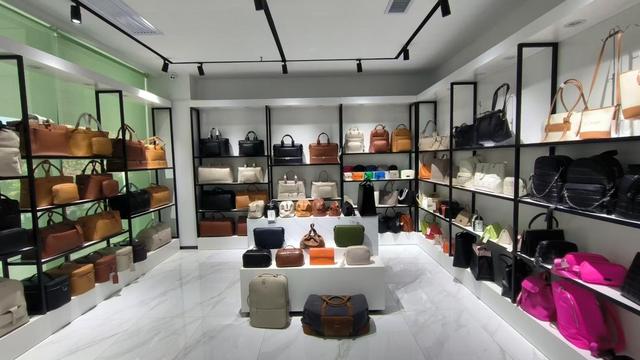
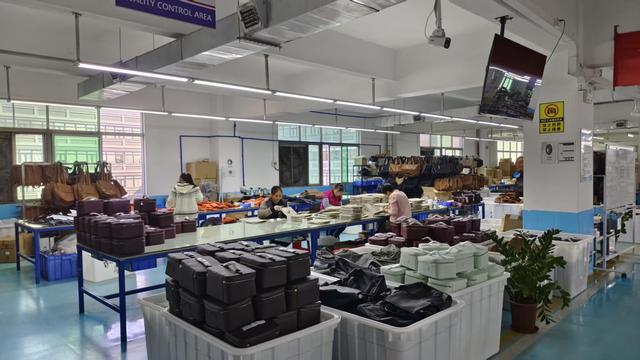
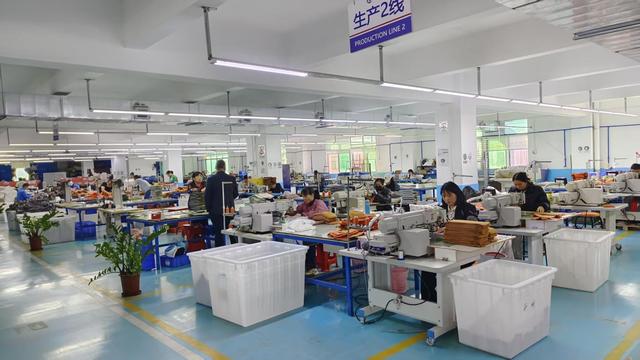
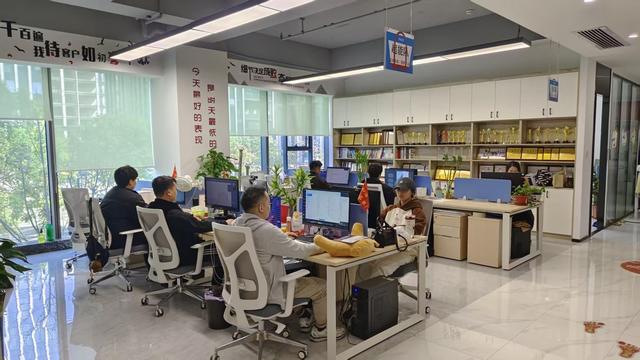
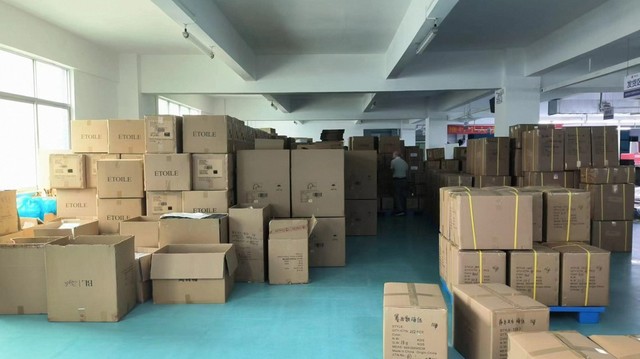
Fully customizable configurations optimized for global distribution networks and targeted private label product rollouts.
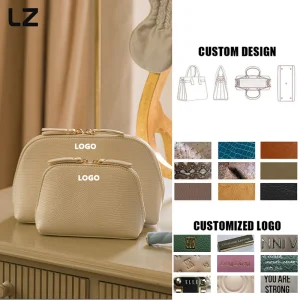
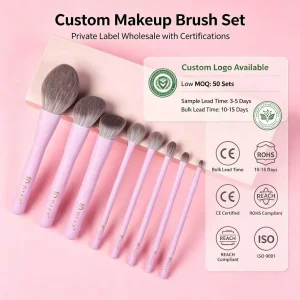
Direct technical answers addressing lead times, quality limits, material testing compliance, and commercial logistics frameworks.
 Jaspa Beauty